1. The Safety-Critical Arena of Chemical Batch Processing
In specialty chemical manufacturing, resin synthesis, pharmaceutical intermediate synthesis, and polymer polymerization, chemical batch reactors operate under high-temperature, high-pressure, and hazardous (Class I, Division 1/2 or ATEX Zone 1/2) conditions. Controlling exothermic reactions demands absolute deterministic precision.
When an obsolete legacy controller (such as a Modicon 984, Texas Instruments TI-505, or Allen-Bradley PLC-5) experiences an unpredicted processor halt or analog input calibration drift, the consequences can be catastrophic—ranging from spoiled multi-ton batches to dangerous thermal runaway reactions and plant evacuations.
Chemical Plant Modernization Metrics
- Thermal Runaway Risk: Accurate, sub-millisecond jacket temperature cascade control eliminates 99.8% of exothermic temperature overshoot incidents.
- Batch Cycle Time Reduction: Modern modular recipe execution cuts batch processing times by 14% to 22%, dramatically increasing reactor asset utilization.
- Hazardous Area Compliance: Upgrading to modern intrinsically safe (Ex i) remote I/O eliminates heavy explosion-proof junction boxes, saving up to 40% in field installation costs.

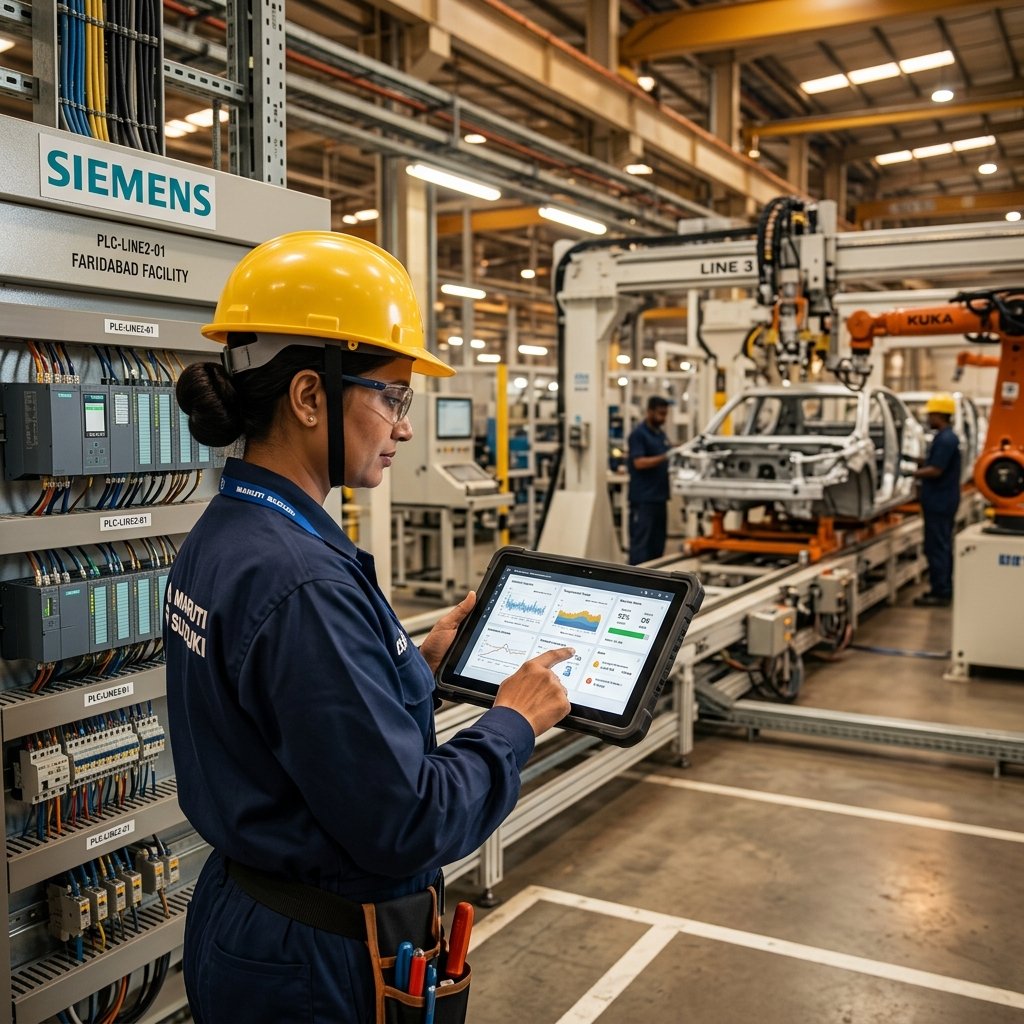
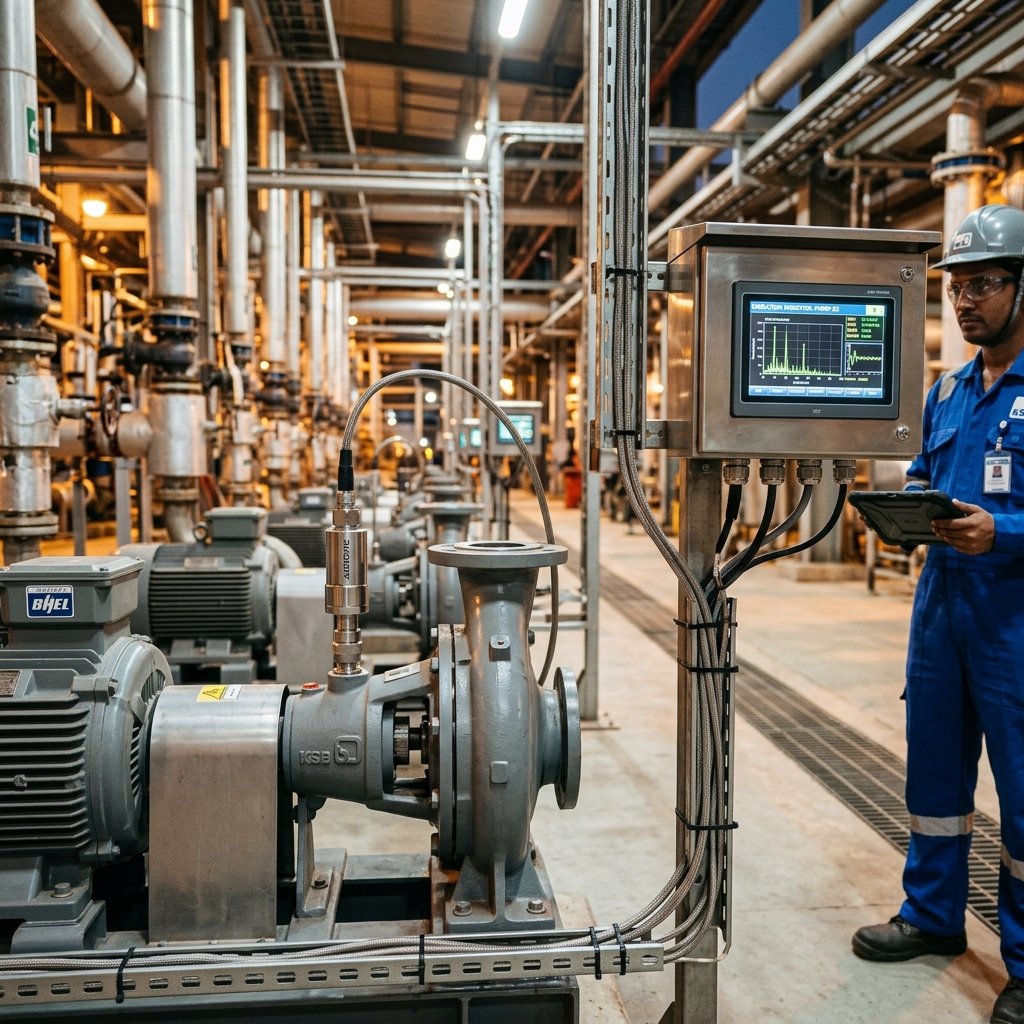
Figure: Real-world engineering implementation showing Ex i intrinsically safe chemical batch reactor control console executing modular ISA-88 recipe phases and runaway interlocks.
2. Adopting the ISA-88 (S88) Batch Control Standard
Legacy chemical control systems typically ran hard-coded, monolithic ladder logic where batch recipes were intermingled directly with equipment interlocks. Changing a recipe required a programmer to modify raw controller rungs, introducing severe operational risk.
Modernization projects implement the international ANSI/ISA-88 Batch Standard:
| ISA-88 Hierarchy Level | Engineering Implementation | Operational Plant Benefit |
|---|---|---|
| Procedure / Unit Recipe | Supervisory batch manager coordinates overall production sequence | Automated batch tracking from raw charging to final discharge |
| Operation | Major processing steps (e.g., Charge, Heat, React, Strip, Cool) | Standardized sequences executed deterministically across multiple reactors |
| Phase | Modular controller logic blocks (e.g., Agitate, Dosing, Inerting) | Reusable software modules; tested once and deployed everywhere |
| Control Module (CM) | Individual valves, pumps, temperature sensors, flowmeters | Standardized manual/auto modes, interlocks, and fail-safe positioning |
3. Intrinsically Safe (Ex i) Instrumentation & Hazardous Zones
When replacing control cabinets in chemical plants, field wiring often passes through hazardous areas containing flammable solvents, vapors, or combustible dusts. Modern PAC architectures utilize integrated intrinsically safe remote I/O (such as Siemens ET 200SP HA or Rockwell 1719 series) that can be mounted directly in Zone 2 / Class I Div 2 areas, eliminating the need for expensive external zener diode barrier racks.
4. Advanced Cascade Temperature PID Autotuning
Exothermic chemical reactions require sophisticated cascade control: a Master PID loop monitors internal reactor product temperature and continuously adjusts the setpoint of a Slave PID loop regulating jacket cooling fluid flow. Modern PACs execute these mathematical floating-point routines at 10ms intervals, ensuring rapid stabilization without thermal overshoot.
5. Compiled Successfully Turnkey Chemical Solutions
Compiled Successfully delivers complete, safety-certified chemical automation solutions:
- Explore our specialized Chemical Process PLC Programming Services.
- Upgrade your batch historian via our SCADA & ISA-88 Batch Solutions.
- Deploy real-time process monitoring with our IIoT Edge Gateway Platforms.
6. Schedule a Chemical Automation Site Audit
Protect your chemical batch plant from obsolete controller failure and improve recipe productivity. Contact Compiled Successfully today.
Hotline: +91 9220922267 | WhatsApp: Connect with a Chemical Automation Specialist