

1. Introduction: Digital Transformation in Heavy Engineering Industry
In modern manufacturing environments across Chennai SIPCOT, operating efficiency is no longer just a metric; it is the boundary between profitability and loss. For a typical Heavy Engineering Industry unit, the primary struggle is tracking hydraulic system fatigue and tool wear. When machine states are undocumented, or reliance is placed on retrospective manual log sheets, resolving operational bottlenecks is slow and costly.
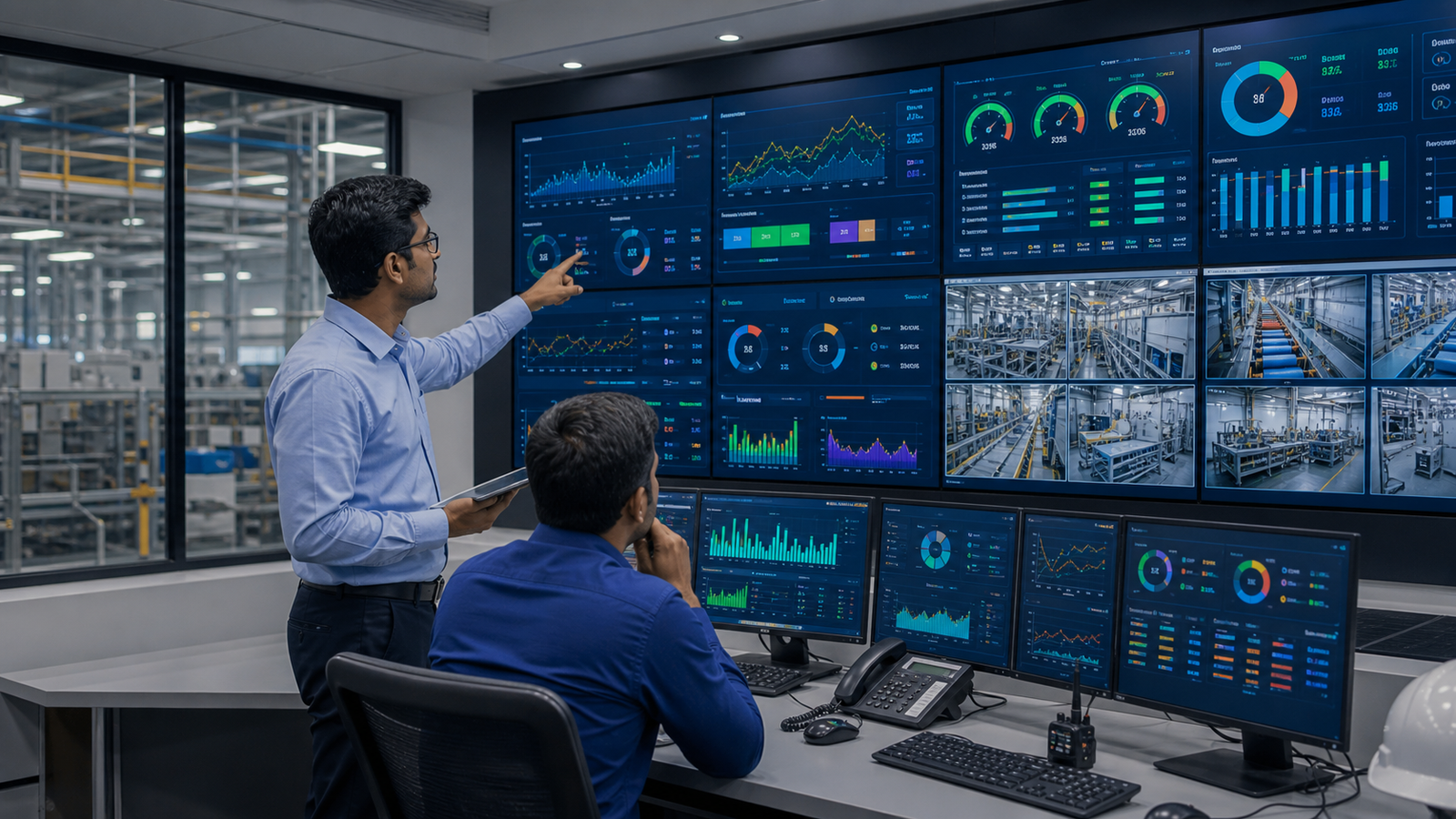
Modern Industry 4.0 techniques leverage local controllers, edge servers, and cloud interfaces to establish a robust framework of data-driven visibility. In this article, we deep-dive into how implementing Energy Monitoring and Utility Optimization helps factories tackle downtime, optimize energy draws, and scale production seamlessly.
2. Technical Deep-Dive: Energy Monitoring and Utility Optimization
Implementing a modern Energy Monitoring and Utility Optimization platform requires bridging physical field elements (Operational Technology or OT) with software and database layers (Information Technology or IT). Let's review the step-by-step implementation architecture:
| Implementation Phase | Core OT Action | Target IT/Software System | Key Integration Protocols |
|---|---|---|---|
| 1. Signal Mapping | Extract tag values directly from PLC registers (DB blocks) | Edge Gateways / Historians | OPC UA, Modbus TCP, Profinet |
| 2. Telemetry Ingest | Stream variable changes under deadband thresholds | Central Database / Broker | MQTT, WebSockets, HTTP REST |
| 3. Visualization | Local screen layouts (HMI panels) | Web-based Dashboards (SCADA) | HTML5, HSL styling grids |
| 4. Alerts Pipeline | Signal limit comparator logic blocks | Instant alerts and crew routing | SMS API, Email Gateways, WhatsApp Widget |
Connecting Production Data with Energy Consumption Analytics
Measuring raw power usage is not enough. By correlating machine-level energy draws with active production cycles, factories can isolate high-consumption batches and optimize scheduling.
By mapping key parameters like voltage fluctuations, machine cycle speeds, and sensor reliability states, we construct a baseline profile. This allows operators in Chennai SIPCOT plants to identify drifts instantly, moving from emergency panic-repair modes to planned maintenance workflows.
Mitigating Peak Demand Surcharges with Automated PLC Interlocks
Installing smart meters with Modbus connections allows the PLC to monitor total plant load. When loads approach peak thresholds, the PLC can automatically shed non-critical auxiliary equipment, saving millions.
Furthermore, standardizing these interfaces guarantees that maintenance personnel can work across different machine models without needing specialized software for each vendor. This reduces training overhead and accelerates troubleshooting during critical line stoppages.
3. B2B Case Study: Energy Optimization Upgrade for a Heavy Engineering Industry Facility
A leading Heavy Engineering Industry manufacturer located in the Chennai SIPCOT industrial corridor was suffering from persistent bottleneck delays and unpredicted breakdown costs on their main production line. The team deployed a tailored integration platform based on energy monitoring system technology.
- Problem: Catastrophic failures on high-load mechanical parts were causing over 14 hours of unplanned line downtime monthly, costing millions in scrap and emergency repair fees.
- Solution: Installed piezoelectric sensor nodes on main spindles, routed PLC telemetry to a secure local edge server, and built a high-aesthetic SCADA dashboard with predictive alarm limits.
- Business Impact:
- Achieved a 32% reduction in unplanned downtime within the first 60 days.
- Improved overall equipment effectiveness (OEE) by 14%.
- Full return on investment (ROI) achieved in less than 8 months.
4. Industry FAQs
5. Conclusion & Action Plan
Digital transformation is an ongoing journey that starts with capturing baseline metrics. By implementing power cost reduction, manufacturing companies can secure their plant operations, increase asset lifespans, and drive OEE upwards. Partnering with a specialized systems integrator ensures your team receives robust onsite engineering support and logic validation.
Schedule Your Automation Audit
Ready to optimize OEE, reduce breakdown losses, and connect legacy machinery at your plant? Contact Compiled Successfully today to consult with our industrial automation experts.
Get Free B2B Consultation