1. The Non-Negotiable Imperative: Safety Instrumented Systems in Hazardous Plants
In oil refineries, natural gas processing terminals, offshore platforms, and petrochemical complexes, industrial control systems are divided into two distinct domains: the Basic Process Control System (BPCS) which manages day-to-day continuous operation, and the Safety Instrumented System (SIS) which acts as the ultimate protective barrier against catastrophic fires, explosions, and toxic chemical releases.
Many legacy refineries still operate aging safety controllers—such as early Triconex systems, Moore Quadlog, Siemens S5-115F, or early Allen-Bradley GuardPLC—that have exceeded 20 years in service. Operating aging safety PLCs with discontinued hardware compromises certified Safety Integrity Levels (SIL) and exposes operations to severe regulatory shutdown orders.
Process Safety Modernization Benchmarks
- Spurious Trip Reduction: Modern Triple Modular Redundant (TMR) safety PACs cut nuisance plant trips by up to 82%, saving millions of dollars in unneeded refinery shutdowns.
- Proof-Test Interval Extension: High diagnostic coverage (> 99%) extends statutory physical proof-testing intervals from 12 months to 5 years, dramatically reducing scheduled maintenance labor.
- Regulatory Compliance: Guarantees full lifecycle compliance with IEC 61508 / IEC 61511 process industry safety standards.

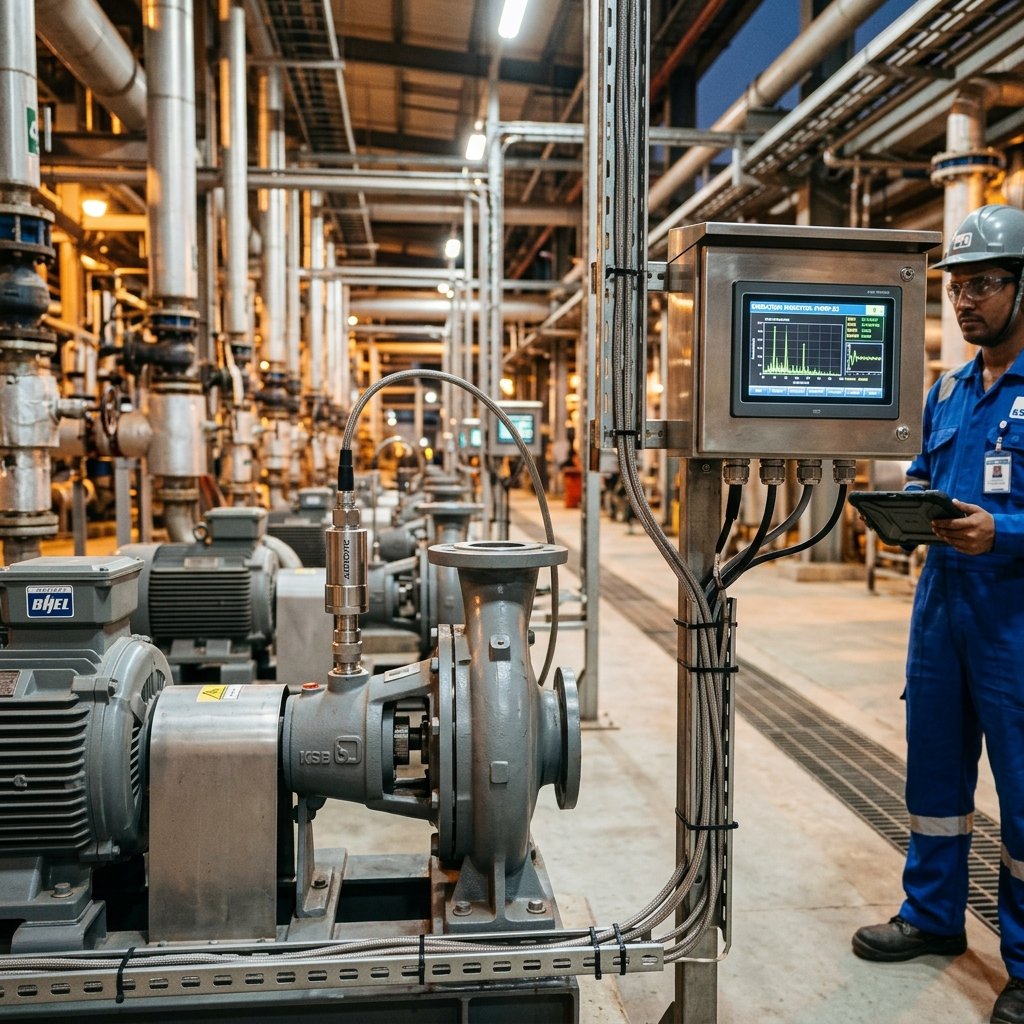
Figure: Real-world engineering implementation showing Triple Modular Redundant (TMR) safety PAC rack managing Burner Management Systems (BMS) and emergency shutdown loops.
2. Safety System Architectures: 1oo2D vs 2oo3 (TMR)
When modernizing safety PLCs for Emergency Shutdown (ESD), Burner Management Systems (BMS), and Fire & Gas (F&G) monitoring, engineering teams choose between high-integrity fault-tolerant architectures:
| Safety Architecture | Hardware Redundancy Scheme | Target Safety Integrity Level | Primary Petrochemical Application |
|---|---|---|---|
| 1oo2D (One-out-of-Two with Diagnostics) | Dual independent processors running diagnostic comparison routines | SIL 2 / SIL 3 | Boiler Burner Management Systems (BMS), pump skid safety interlocks |
| 2oo3 (Two-out-of-Three / TMR) | Three isolated processors executing voting logic simultaneously | SIL 3 (High Availability) | Main Refinery Emergency Shutdown (ESD), compressor surge protection |
| Dual Quad (2oo4) | Four microprocessors arranged in dual redundant pairs | SIL 3 / SIL 4 | Critical offshore platform safety, toxic gas leak isolation |
3. Key Engineering Challenges in Safety System Retrofits
- Zero-Disruption Cutover in Continuous Plants: Refineries operate in 4-to-6-year turnaround cycles. The replacement safety system must be 100% pre-configured, bench-tested, and hot-loop verified prior to the scheduled turnaround window.
- Strict Independence from BPCS: In accordance with IEC 61511, the modern SIS must remain physically, electrically, and logically isolated from the general process SCADA system to prevent common-cause cyber or electrical failures.
- Sequence of Events (SOE) Time Stamping: Modern safety PACs record trip interlocks with 1-millisecond resolution across all channels, enabling instantaneous forensic analysis of refinery upset causes.
4. Compiled Successfully Turnkey Process Safety Capabilities
Compiled Successfully provides certified safety engineering services for oil, gas, and chemical industries:
- Explore our specialized Failsafe & Safety PLC Services.
- Upgrade your control room visualization via our SCADA & ESD Integration Services.
- Monitor plant emissions and environmental telemetry with our IIoT Industrial Solutions.
5. Request an IEC 61511 SIS Safety Audit
Protect your refinery personnel, assets, and regulatory standing. Contact Compiled Successfully to execute a comprehensive Safety Instrumented System evaluation.
Hotline: +91 9220922267 | WhatsApp: Connect with a Process Safety Expert