1. The Cutover Dilemma: All-at-Once vs Step-by-Step Modernization
When an industrial plant commits to replacing an obsolete control architecture, the engineering team faces a critical strategic fork in the road: should they execute a "Big-Bang" (Single-Event) Cutover, or adopt a Phased (Incremental) Migration Strategy?
The choice between these two methodologies is not merely technical—it impacts production schedules, capital expenditure allocation, contractor staffing requirements, and overall business risk tolerance.
Strategy Decision Benchmarks
- Risk Comparison: Big-Bang cutovers on multi-rack systems carry a 3.4x higher probability of unexpected startup delays compared to phased migrations.
- CapEx Distribution: Phased migrations permit plants to spread capital expenditure across two to four fiscal quarters, facilitating easier financial approval.
- Extended Outage Requirements: Big-Bang replacements require a minimum 48 to 96-hour continuous shutdown, whereas phased cutovers execute in 6 to 8-hour routine maintenance windows.

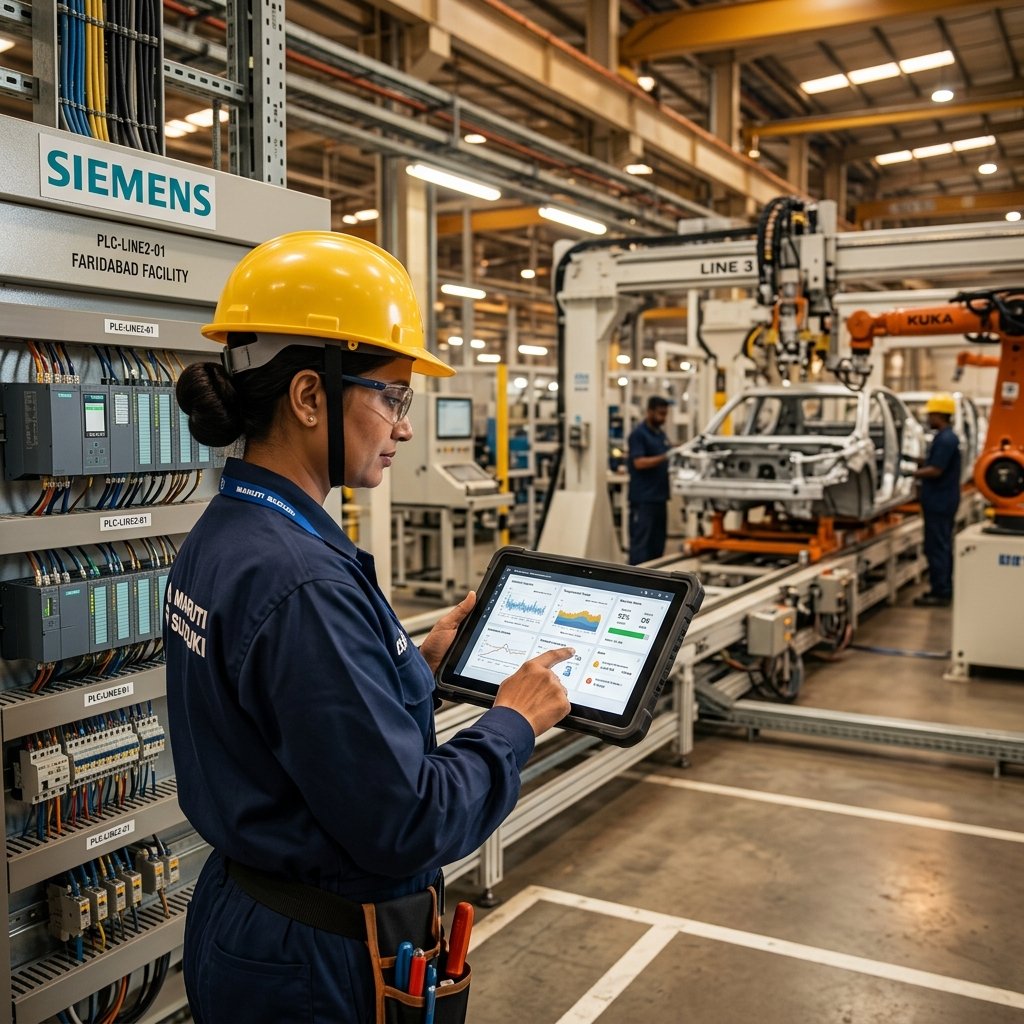
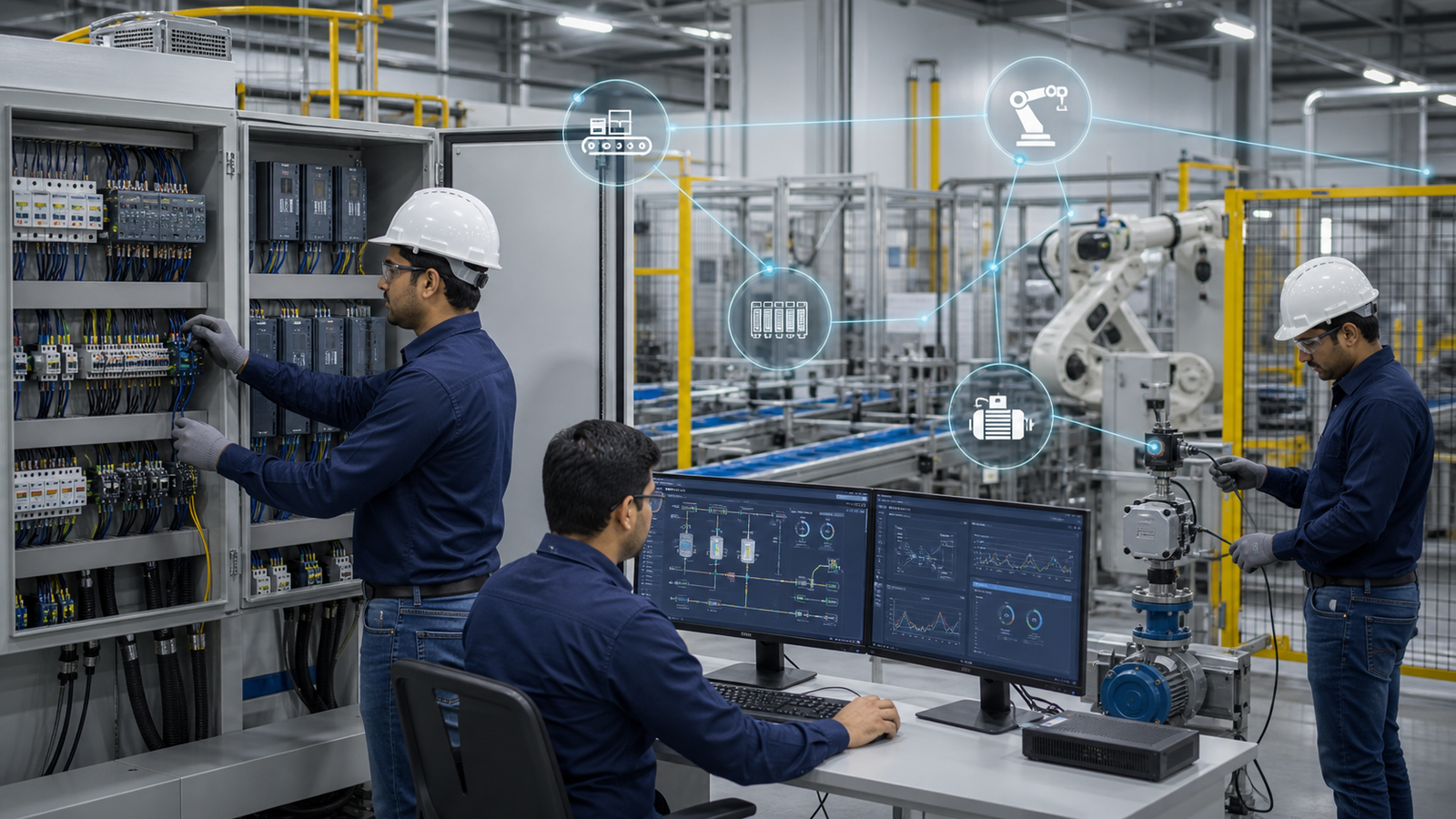
Figure: Real-world engineering implementation showing Multi-protocol gateway rack bridging modern Industrial Ethernet backplanes to legacy remote I/O chassis during phased upgrades.
2. In-Depth Architectural Comparison
| Operational Dimension | Big-Bang (Complete Replacement) | Phased (Incremental Modernization) |
|---|---|---|
| Primary Mechanism | Complete removal of CPU, I/O racks, wiring, and HMIs simultaneously | Upgrade CPU and network first; retain legacy I/O racks via gateway bridges |
| Required Plant Outage | Long holiday or annual shutdown (3 to 7 days) | Standard weekend maintenance shifts (8 to 12 hours each) |
| Rollback Feasibility | Extremely difficult or impossible once wiring is removed | Trivial; reconnect original CPU communication cable within 30 minutes |
| Temporary Hardware Cost | Zero temporary equipment | Requires temporary network gateway (e.g., DHRIO, Profibus bridge) |
| Troubleshooting Isolation | High complexity; hundreds of variables changing at once | Low complexity; faults isolated strictly to newly upgraded subsection |
3. How Phased Migration Works: The Gateway Bridging Architecture
In a phased migration, the plant replaces the obsolete master processor (such as an Allen-Bradley PLC-5 or Siemens S5) with a modern PAC (ControlLogix or S7-1500). Instead of rewiring all remote I/O chassis, specialized industrial gateway modules (such as ProSoft AN-X2 bridges or Siemens CP modules) translate modern Ethernet packets into legacy protocols (such as Data Highway Plus, Remote I/O, or Profibus-DP).
The new controller runs the entire machine while controlling existing legacy I/O racks. Once the new software logic is proven stable in real production over several weeks, individual I/O racks are upgraded to modern hardware one by one during routine planned maintenance.
4. Decision Matrix: Which Strategy Suits Your Plant?
- Choose Big-Bang If: The machine is a self-contained single-rack skid with under 128 I/O points, the plant has a mandatory 5-day annual maintenance shutdown, and electrical drawings are 100% verified.
- Choose Phased Migration If: The system controls an interconnected multi-zone production line (such as a continuous bottling line, automotive body shop, or paper mill) where an extended shutdown would cost hundreds of thousands of dollars.
5. Partner with Compiled Successfully
Compiled Successfully's automation specialists design custom migration strategies tailored to your exact production constraints:
- Explore our specialized Turnkey PLC Replacement Services.
- Modernize operator graphics via our SCADA Migration Services.
- Connect modern controllers to enterprise platforms via our IIoT Edge Gateway Solutions.
6. Request a Migration Strategy Consultation
Contact our industrial engineering panel to analyze your plant architecture and determine the ideal cutover strategy.
Hotline: +91 9220922267 | WhatsApp: Connect with a Lead Migration Engineer