
Standardizing your industrial data formats for accurate analytics, reliable reporting, and smoother system integration.
Compiled Successfully Software Solution helps manufacturers convert scattered industrial data into consistent, usable structures across PLC, HMI, SCADA, ERP, MES, database, and IIoT systems. We provide Data Standardization services in Faridabad, Delhi NCR, Gurugram and across India. We are one of the best Data Standardization solution providers in Faridabad, Delhi NCR, Gurugram and all India.
Company: Compiled Successfully Software Solution
Contact Person: Mansi Maheshwari
Phone / WhatsApp: +91 9220922267
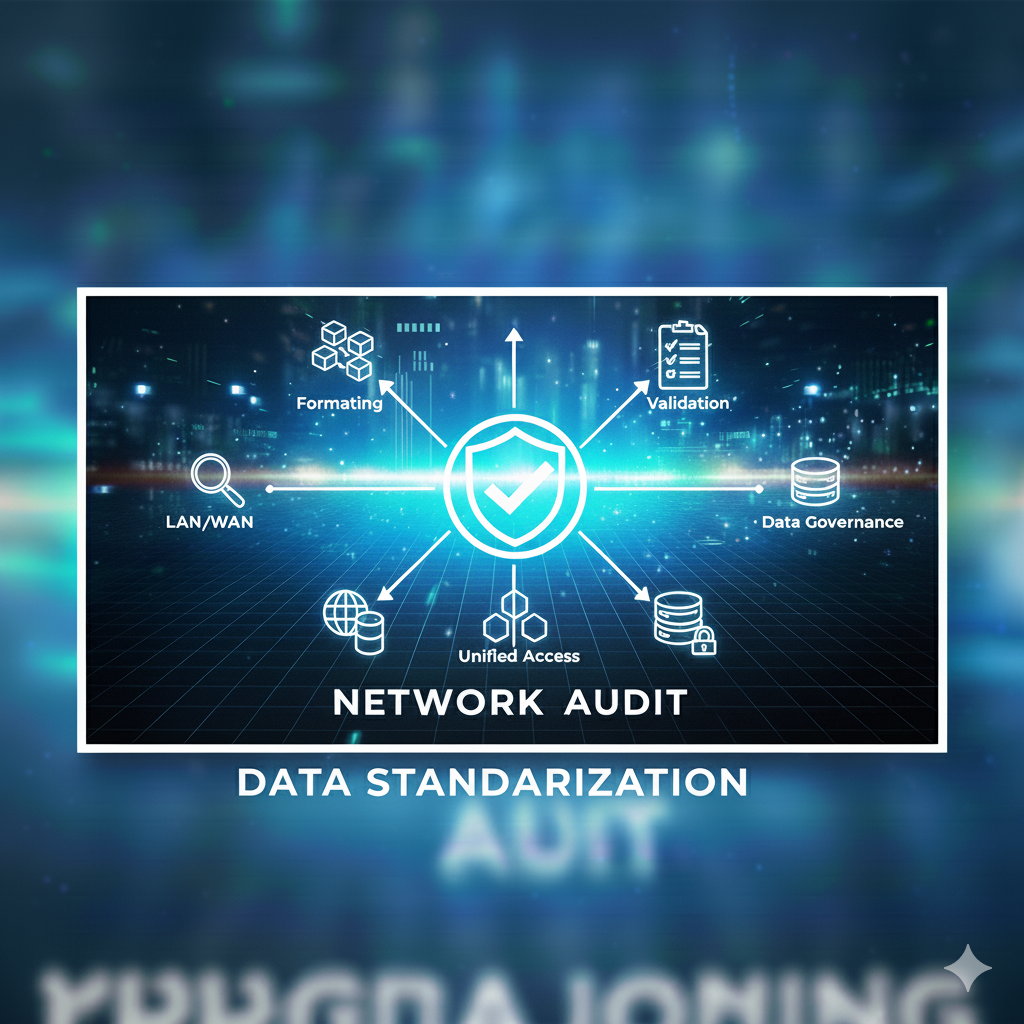
Data Standardization is the process of converting different naming styles, tag structures, formats, units, and database fields into a unified structure that can be trusted across automation and business systems. It helps PLC, HMI, SCADA, ERP, MES, database, and IIoT platforms speak a cleaner common language.
Without standardization, plants often struggle with duplicate tags, mismatched sensor values, unclear naming, inconsistent reports, and slow integration between systems. A structured approach improves automation data consistency and gives teams cleaner information for analytics, reporting, maintenance, and production decisions.
We standardize industrial data in a practical way, so plant teams can improve reporting, analytics, integration, and long-term data reliability without losing operational context.
Review and alignment of PLC data blocks, tag structures, naming conventions, units, and signal definitions for cleaner control-system data.
Standardization of HMI and SCADA tag names so operators, engineers, reports, and maintenance teams can interpret data consistently.
Alignment of field data, supervisory data, database records, and ERP or MES values into formats that can be integrated and compared reliably.
Normalization of sensor values, units, ranges, timestamps, and quality indicators so production data can be used with better confidence.
Review and improvement of database tables, fields, naming patterns, and relationships used for production, quality, maintenance, or reporting data.
Mapping and alignment of automation data with ERP and MES requirements so production data can move upward with fewer errors.
Structuring of IIoT data streams so cloud dashboards, analytics platforms, and monitoring systems receive consistent industrial data.
Standardization of alarm names, event categories, timestamps, priorities, and descriptions for better troubleshooting and performance review.
Improvement of report formats, metric definitions, and calculated values so management and operations teams work from the same numbers.
Identification and correction planning for duplicate, incomplete, mismatched, or unreliable data that affects analytics and reporting quality.
We support Data Standardization work in Faridabad, Delhi NCR, Gurugram, Noida, Greater Noida, Manesar, Ballabhgarh, Palwal, and across India.
These short examples show how clearer data structures can improve reporting, analytics, integration, and day-to-day confidence in plant information.
Existing Data Issue: Similar machine values were named differently across PLC, HMI, and SCADA screens.
Standardization Approach: Tag naming, units, and alarm references were mapped into a cleaner naming convention.
Solution: A consistent structure was prepared for production, alarm, and report-related values.
Result: Operators and managers gained clearer reports with fewer interpretation errors.
Existing Data Issue: ERP production numbers did not match SCADA counts during shift review.
Standardization Approach: Data definitions, timestamps, batch references, and calculated values were reviewed.
Solution: Production metrics were aligned across automation and reporting layers.
Result: Reporting accuracy improved and daily review meetings became faster.
Existing Data Issue: IIoT dashboard values were inconsistent because source data used mixed units and labels.
Standardization Approach: Sensor data formats, units, ranges, and quality flags were normalized.
Solution: A cleaner data structure was created for analytics and dashboard feeds.
Result: Dashboard reliability improved and plant teams trusted trend comparisons more.
Call or WhatsApp Compiled Successfully Software Solution for data optimization, automation consulting, reporting improvement, IIoT data standardization, and digital transformation support.
