
Packaging downtime is often driven by a mix of mechanical, electrical, controls, and reporting issues that compound across shifts.
Packaging plants lose time not only from machine faults, but from slow fault isolation, weak diagnostics, inconsistent changeovers, unclear alarms, and missing event visibility. The best improvement projects identify which stoppages are truly recurring, which are hidden inside broad downtime buckets, and which can be reduced through controls, monitoring, or maintenance changes.
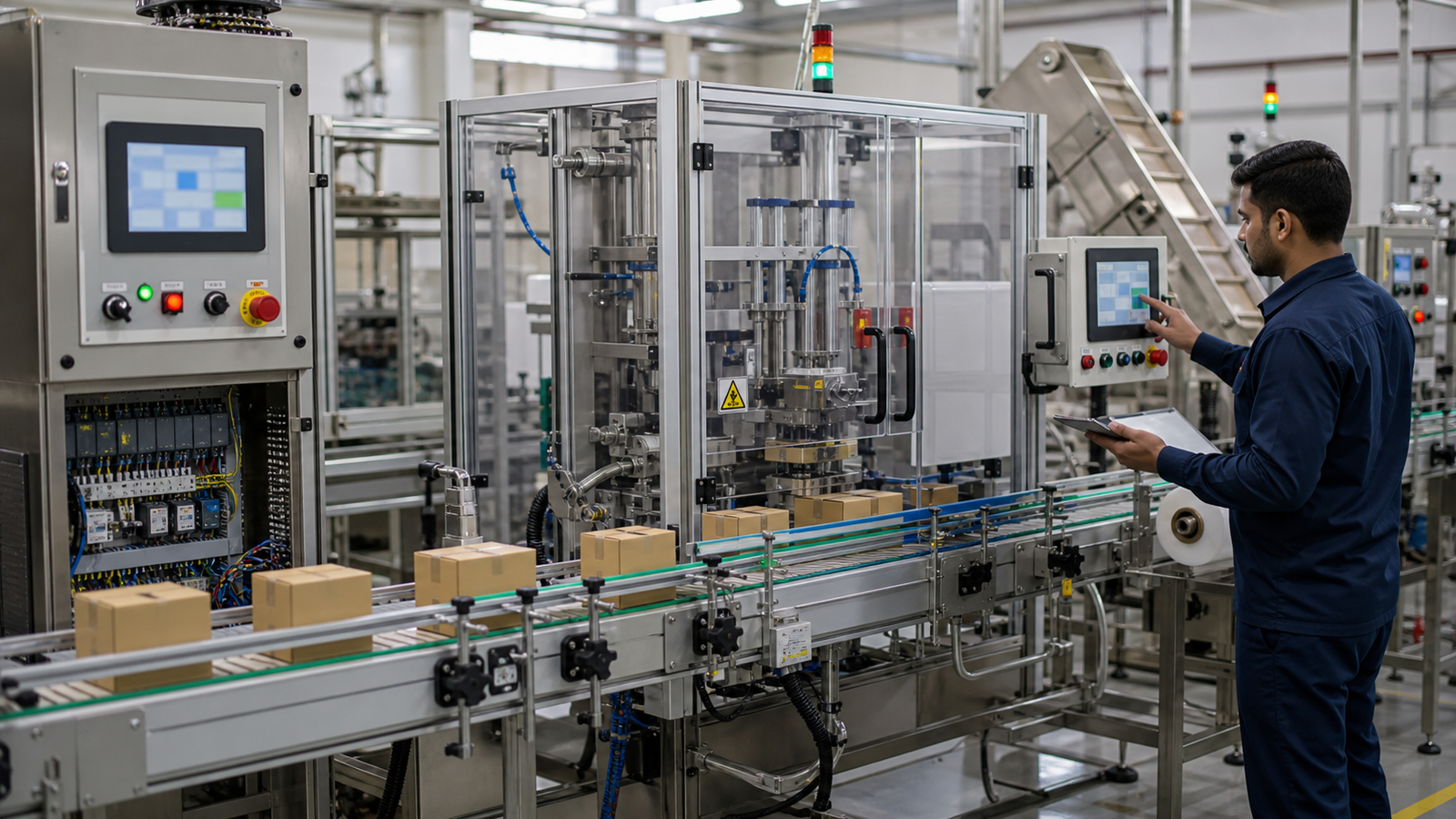
Packaging plants lose time not only from machine faults, but from slow fault isolation, weak diagnostics, inconsistent changeovers, unclear alarms, and missing event visibility. The best improvement projects identify which stoppages are truly recurring, which are hidden inside broad downtime buckets, and which can be reduced through controls, monitoring, or maintenance changes.
The highest-performing projects align automation decisions with uptime, quality, safety, reporting, and maintenance outcomes instead of treating technology as an isolated purchase.
We focus on practical execution steps that can be implemented around existing machines, controls, and plant teams.
A short discovery review usually saves time, avoids scope gaps, and improves the odds of a clean implementation.
The client knew the line was losing time but lacked detail on which stoppages were truly recurring and which delays were due to weak diagnostics.
Solution: We reviewed the line fault patterns, alarm behavior, and reporting structure to identify the biggest hidden downtime drivers.
Discuss packaging downtime reduction planning with our team to map requirements, identify quick wins, and plan a practical rollout for your plant.
