
The best VFD or servo choice depends on the machine duty, precision requirement, speed control needs, and long-term service reality.
VFDs and servo systems solve different motion problems. A VFD is usually ideal for variable speed and energy-efficient control on fans, pumps, and many conveyors, while a servo is better for high precision, positioning, and fast dynamic response. The real decision depends on machine behavior, control integration, feedback needs, and support expectations after commissioning.
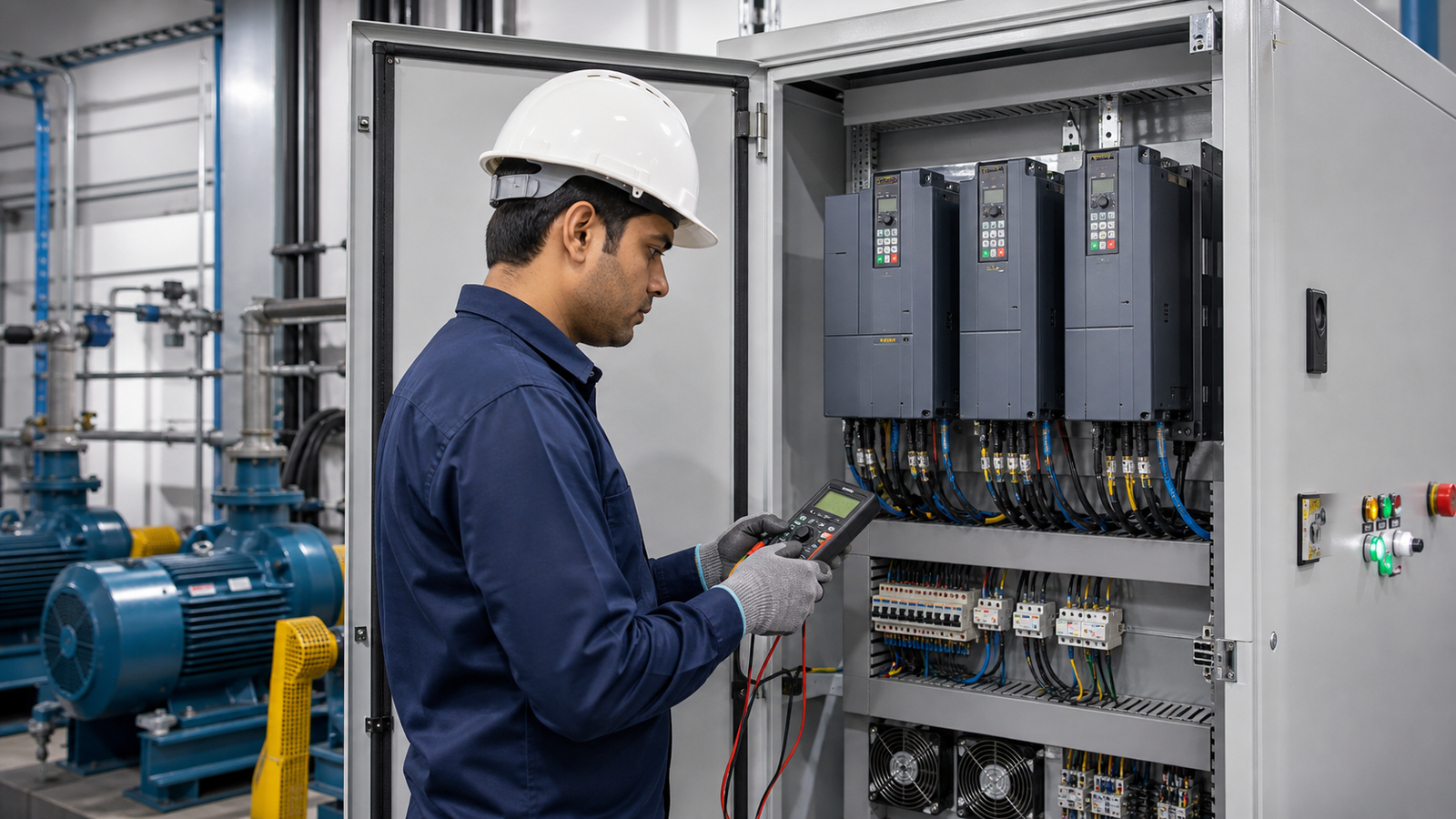
VFDs and servo systems solve different motion problems. A VFD is usually ideal for variable speed and energy-efficient control on fans, pumps, and many conveyors, while a servo is better for high precision, positioning, and fast dynamic response. The real decision depends on machine behavior, control integration, feedback needs, and support expectations after commissioning.
The highest-performing projects align automation decisions with uptime, quality, safety, reporting, and maintenance outcomes instead of treating technology as an isolated purchase.
We focus on practical execution steps that can be implemented around existing machines, controls, and plant teams.
A short discovery review usually saves time, avoids scope gaps, and improves the odds of a clean implementation.
The machine design required a mix of variable-speed and positioning behavior, and the client needed clarity on where servos were necessary and where VFDs would be sufficient.
Solution: We reviewed each axis by motion behavior, precision need, control integration, and serviceability to define the right drive strategy.
Discuss VFD and servo solution selection with our team to map requirements, identify quick wins, and plan a practical rollout for your plant.
